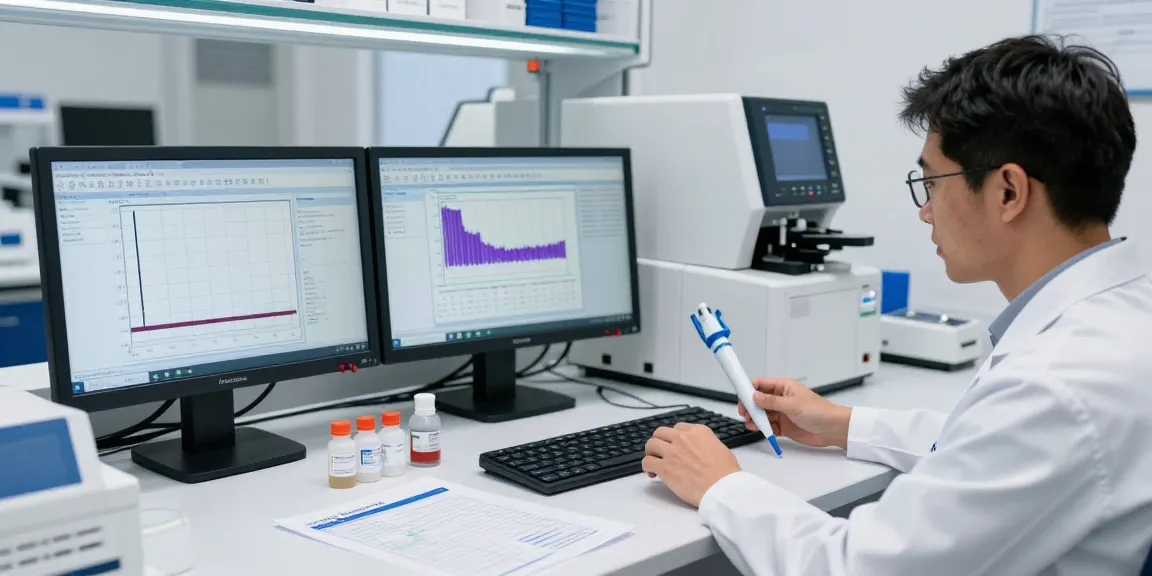
Understanding Aegean Labs Peptide Testing
Peptide testing has become an essential component in various sectors, including pharmaceuticals, biotechnology, and nutritional supplements. Aegean Labs stands at the forefront of this field, offering advanced analytical services that ensure the highest standards of quality and accuracy. When exploring options, Aegean Labs Peptide testing provides comprehensive insights into the methodologies and technologies used, enabling clients to trust the results of their analyses and make informed decisions.
What is Aegean Labs Peptide Testing?
Aegean Labs Peptide Testing involves a meticulous process designed to evaluate the purity and concentration of peptides. Peptides, which are short chains of amino acids, play critical roles in various biological processes, making their accurate analysis imperative. The testing process at Aegean Labs employs industry-leading technologies and methods, ensuring compliance with global standards.
Key Technologies Employed in Peptide Analysis
To achieve precision in peptide testing, Aegean Labs utilizes several advanced technologies, including:
- High-Performance Liquid Chromatography (HPLC): This technique separates, identifies, and quantifies components in a mixture, allowing for detailed analysis of peptide purity.
- Mass Spectrometry (MS): MS is crucial for molecular identification and characterization, confirming the identity of peptides down to their molecular structure.
- Endotoxin Testing: This testing is essential for pharmaceutical-grade products, ensuring that the samples are free from harmful endotoxins.
The Importance of Precision in Peptide Testing
Precision in peptide testing cannot be overstated. The accuracy of results directly impacts research outcomes and product safety. Aegean Labs emphasizes rigorous analytical methods to reduce variability in test results, providing clients with a high level of confidence in the data received.
Critical Analytical Methods at Aegean Labs
High-Performance Liquid Chromatography Explained
High-Performance Liquid Chromatography (HPLC) is a cornerstone technique at Aegean Labs. This method involves passing a liquid sample through a column filled with stationary phase material, enabling the separation of components based on their interactions with the stationary phase. Utilizing UV detection at 214nm, Aegean Labs achieves remarkable precision in peptide separation, ensuring that clients receive detailed insights into the purity of their samples.
Mass Spectrometry for Molecular Identification
Mass Spectrometry (MS) complements HPLC by providing detailed information about the molecular composition of peptides. At Aegean Labs, LC-MS/MS techniques are employed, which enhance sensitivity and resolution, allowing for the identification of complex mixtures. This high-resolution accuracy is essential for confirming the identity of peptide compounds and is invaluable in both research and quality control settings.
Endotoxin Testing and Its Relevance
Endotoxin testing is particularly significant in the pharmaceutical industry, where the presence of endotoxins can lead to severe adverse reactions. Aegean Labs employs Limulus Amebocyte Lysate (LAL) assay methods, which are sensitive to 0.005 EU/mL, thus ensuring that products meet stringent regulatory requirements for safety and efficacy. This level of compliance is crucial for maintaining the integrity of therapeutic agents.
Reporting Standards in Peptide Testing
Understanding the Components of a Detailed Report
A comprehensive report from Aegean Labs provides not only the results of peptide analyses but also an in-depth understanding of the testing process. Each report includes features such as:
- HPLC Chromatograms: Visual representation of peptide separation profiles, showcasing purity levels.
- MS Identity Data: Confirmation of the target compound with analytical signals.
- Method Details: Explanation of the analytical approach, equipment used, and workflow for transparency.
The Role of Verification IDs in Authenticity
Every report issued by Aegean Labs includes a unique verification ID, enhancing the authenticity of the testing outcomes. Clients can easily verify their reports through an instant online system, ensuring confidence in the data provided. This feature is crucial in an industry where traceability and accountability are paramount.
Sample Handling and Preparation Best Practices
Proper sample handling and preparation are vital for achieving accurate test results. Aegean Labs emphasizes the importance of following best practices, which include:
- Minimizing exposure to environmental contaminants.
- Using appropriate storage conditions to maintain sample integrity.
- Employing standardized protocols for sample processing to ensure consistency in results.
Challenges in Peptide Analysis
Common Misconceptions in Peptide Testing
One significant misconception in peptide testing is the assumption that all testing methods yield the same level of accuracy. In reality, the choice of analytical techniques greatly influences the reliability of results. Aegean Labs addresses these misconceptions by educating clients on the importance of selecting the right methods for their unique testing needs.
Adapting to Regulatory Standards
As regulatory standards in the pharmaceutical industry evolve, laboratories must adapt their practices to stay compliant. Aegean Labs demonstrates a proactive approach by regularly updating its testing methods in accordance with the latest guidelines, ensuring the highest levels of quality assurance.
Addressing Sample Integrity Issues
Sample integrity is paramount in peptide testing. Factors such as storage conditions, transportation methods, and environmental variables can affect the quality of samples. Aegean Labs implements rigorous protocols to mitigate these risks, assuring clients that their samples are handled with the utmost care and precision throughout the testing process.
The Future of Peptide Testing and Analysis
Emerging Technologies in Peptide Research
Emerging technologies are poised to revolutionize peptide analysis. Innovations such as real-time monitoring of peptide synthesis and advanced bioinformatics tools for data analysis are becoming increasingly accessible. Aegean Labs is continuously exploring these advancements to enhance its testing capabilities and provide clients with cutting-edge solutions.
Trends Shaping the Future Landscape of Analytical Testing
Several trends are shaping the future of analytical testing, including:
- Increased automation in laboratory workflows, improving efficiency and reducing human error.
- The integration of artificial intelligence (AI) in data analysis, leading to quicker and more accurate interpretations.
- A focus on sustainability and eco-friendly practices within laboratory environments.
Preparing for Innovations in Laboratory Systems
To remain competitive, laboratories must be prepared for innovations in technology and methodology. Aegean Labs actively invests in state-of-the-art equipment and training for its personnel, ensuring that the laboratory can adapt rapidly to future developments in peptide testing.
What are the benefits of HPLC in peptide testing?
HPLC is beneficial in peptide testing as it allows for high-resolution separations, which are critical for determining peptide purity. Its sensitivity and ability to analyze complex mixtures make it an invaluable tool in both research and industry applications.
How does Aegean Labs ensure report accuracy?
Aegean Labs ensures report accuracy through stringent quality control measures, including calibration of instruments, replicate testing, and adherence to ISO 17025 standards. Each report is meticulously reviewed to verify the integrity of the data presented.
What are the common uses of mass spectrometry in research?
Mass spectrometry is commonly used in research for protein identification, characterization of biomolecules, and detection of post-translational modifications. Its versatility makes it a standard tool in biological and pharmaceutical research.
How can clients verify their peptide analysis reports?
Clients can verify their peptide analysis reports using the unique verification ID provided on each report. This system allows for real-time authentication of results, ensuring transparency and reliability.