
 admin
admin 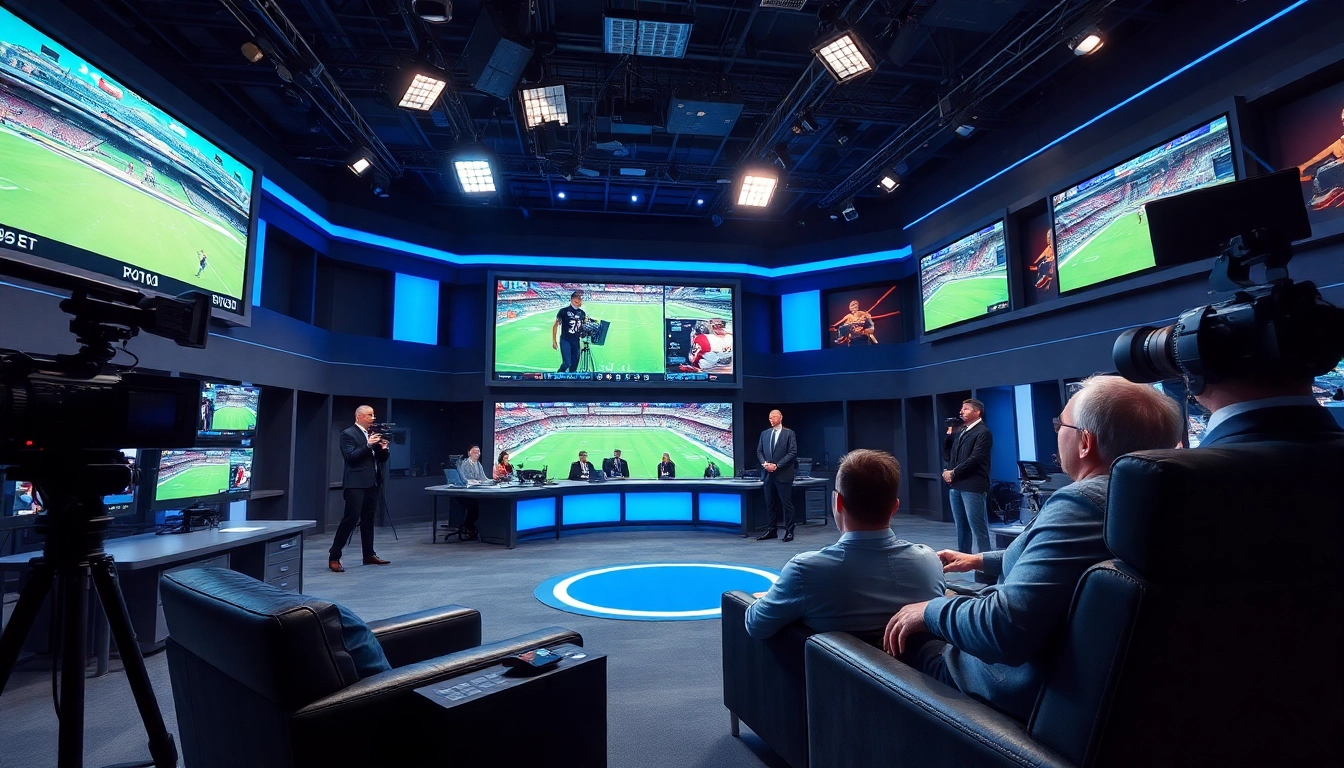
Understanding Sports Broadcasting
What is Sports Broadcasting?
Sports Broadcasting refers to the live transmission or recorded presentation of sporting events via television, radio, or online platforms. It aims to communicate the dynamics, excitement, and nuances of sports to a broad audience, serving not only to entertain but also to inform. Effective sports broadcasting can bring fans closer to the game, incorporating commentary, insights, and analysis—elements essential for a deeper appreciation of athletic endeavors. In this context, Sports Broadcasting has evolved into a significant industry where numerous stakeholders, from commentators to producers, play distinct yet interconnected roles.
Key Components of Sports Broadcasting
The landscape of sports broadcasting comprises several key components, each contributing to the ultimate viewer experience. These include:
- Live Commentary: The heart of sports broadcasting, providing real-time updates and engagement.
- Visual Production: High-quality camera work, angles, and graphics that enhance the storytelling of a sports event.
- Analysis: Expert insights and opinions that contextualize performances and statistics for the viewers.
- Audience Engagement: Strategies to interact with viewers, including social media integration and live polling during broadcasts.
- Marketing and Sponsorship: Commercial elements that support the financial viability of broadcasting operations.
The Evolution of Sports Broadcasting
Sports broadcasting has undergone substantial transformations since its inception. Initially, radio broadcasts in the early 20th century brought games to audiences, paving the way for television in the 1950s, which revolutionized the industry by providing visual context. The advent of cable television expanded choices, and in recent times, online streaming has emerged as a dominant force. Each evolution has paved the way for greater accessibility, allowing fans around the world to engage with their favorite sports like never before. Additionally, advancements in technology such as virtual reality and augmented reality are poised to further enhance the viewer experience.
Essential Skills for Sports Broadcasters
Communication Techniques in Sports Broadcasting
Effective communication is fundamental to sports broadcasting. Broadcasters must convey emotions, excitement, and strategic insights clearly and engagingly. This involves using varied tones, pacing, and body language to match the intensity of the game. Additionally, understanding the audience—tailoring messages to different demographics or catering to hardcore fans versus casual viewers—is crucial. Successful broadcasters practice storytelling techniques, translating complex plays or statistics into relatable narratives that resonate with viewers.
Technical Proficiency Requirements
Broadcasters must possess a solid understanding of the technical aspects of the industry. This includes knowledge of broadcast equipment, video editing software, and live streaming platforms. Familiarity with graphics generation and the ability to work seamlessly with production teams enhances live presentation quality. Understanding audio quality and how to manage sound mixes can significantly elevate a broadcaster’s performance, ensuring a satisfactory experience for viewers.
Building Audience Connection
Establishing a connection with the audience is vital for any sports broadcaster. This connection can be cultivated through authenticity and relatability. Broadcasters should share personal anecdotes, demonstrate enthusiasm, and maintain an approachable demeanor to foster a loyal following. Engaging with fans via social media and responding to viewer feedback creates an inclusive community, ultimately enhancing viewer retention and loyalty.
Types of Sports Broadcasting
Live Coverage vs. Recorded Shows
Sports broadcasting mainly divides into live coverage and recorded shows. Live coverage delivers real-time action, fostering an exhilarating experience for viewers as they witness events as they unfold. Countdown shows, pre-game analyses, and post-game discussions add context and depth. Recorded programs, such as highlight reels, offer comprehensive summaries for those unable to watch live. Balancing both formats allows networks to cater to diverse audience needs, ensuring they capture a broad viewership while maximizing the sporting experience.
Radio vs. Television Broadcasting
Radio and television broadcasting offer unique advantages and challenges. Radio provides distinctive auditory experiences, enabling nimble communication that’s accessible in various environments. It often captures the raw excitement of sports through play-by-play commentary. On the other hand, television broadcasting enhances viewer engagement via visuals, allowing the integration of graphics, slow motion, and instant replays—elements essential for conveying play nuance. Both mediums can coexist, often leading to synergistic partnerships that amplify reach and effectiveness.
Online Streaming and New Media
With the rise of internet technology, online streaming has become a prominent player in the sports broadcasting sector. Platforms like social media channels, sports apps, and dedicated streaming services enable fans to watch games on their terms. They enhance viewer engagement through live chats, interactive polls, and social sharing features. This shift towards new media calls for adaptability and familiarity with digital content creation, ensuring that broadcasters can leverage these tools effectively while reaching audiences where they consume content.
Challenges in Sports Broadcasting
Dealing with Technical Difficulties
Technical difficulties pose significant challenges in sports broadcasting, especially during live events. Broadcasters must deal with equipment malfunctions, audio issues, and network connectivity problems swiftly. Preparing contingency plans, including backup systems and technical checks, is crucial for mitigating such risks. Additionally, clear communication with the production team helps maintain a professional atmosphere that can reassure viewers in case of disruptions.
Managing Viewer Expectations
In an age where fans expect seamless viewing experiences, managing viewer expectations is essential. Broadcasters must balance high standards of commentary and coverage while acknowledging limitations such as broadcast rights or technical constraints. Being transparent with viewers when faced with shortcomings or providing alternative options—like summarizing plays or redirecting to secondary channels—can enhance audience satisfaction even in challenging scenarios.
Navigating Legal Regulations
Legal regulations play a significant role in shaping sports broadcasting, including broadcast rights, censorship laws, and advertising regulations. Broadcasters must comply with numerous local, national, and international laws, making it essential to stay informed about legal trends and requirements. Establishing strong legal frameworks and relationships with governing bodies ensures smooth operations and protects against potential lawsuits. Providing clear disclosures and ventilating rights is necessary to foster a trustful relationship with audiences.
Future Trends in Sports Broadcasting
The Impact of Technology on Sports Broadcasting
Technology is at the forefront of reshaping sports broadcasting. Innovations such as AI and machine learning are streamlining production processes, enhancing data analysis, and improving viewer personalization. Virtual reality and augmented reality are being integrated into broadcasts, offering immersive experiences that allow fans to feel as though they are part of the action. The utilization of 5G technology is expected to enhance streaming quality, ensure instant access, and empower broadcasters to deliver richer content across devices seamlessly.
Audience Engagement Innovations
As the media landscape evolves, innovative techniques for audience engagement are emerging. Augmented reality graphics can overlay stats on live broadcasts, enriching viewers’ understanding of the game. Interactivity, where fans can choose camera angles or highlight reels via apps, is capturing attention. Developing community engagement initiatives, such as live Q&A sessions with players or interactive polls during broadcasts, fosters immersive fan interaction and strengthens community ties.
ESports and Its Integration into Sports Broadcasting
The rise of esports marks a significant trend in sports broadcasting. Traditional sports networks are incorporating esports coverage, recognizing its growing audience and cultural relevance. This integration poses unique broadcasting challenges, such as differentiating the style and format of esports events while maintaining audience engagement. As esports continues to garner popularity, conventional broadcasters must evolve their strategies and potentially partner with gaming networks to appeal to this demographic effectively.
Frequently Asked Questions (FAQs)
What qualifications do I need to become a sports broadcaster?
While a degree in communications or journalism is beneficial, strong on-air presence and a passion for sports are essential. Gaining experience through internships and practice is critical.
How can I improve my sports commentary skills?
Practicing regularly, studying professionals, and soliciting feedback are vital. Additionally, staying updated with sports trends and statistics enhances credibility.
What is the future of sports broadcasting?
Expect increased interactivity through digital platforms, technology-enhanced viewing experiences, and broader coverage of esports, appealing to younger audiences.
How do licensing and rights affect sports broadcasting?
Licensing determines who can broadcast events. Broadcasters must navigate complex rights agreements to present live games, which often leads to bidding wars.
Is online streaming replacing traditional sports broadcasting?
While online streaming is increasingly popular, traditional broadcasting remains vital for live events. Both coexist, catering to different viewer preferences and expanding reach.